
Acoustic Glass | Sound Control Glass for Residential & Commercial Projects
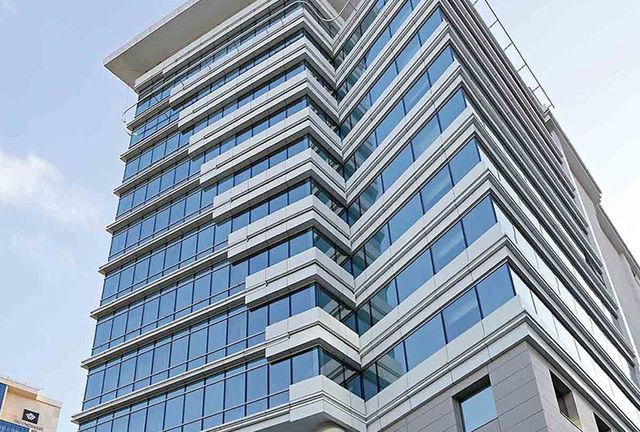
Acoustic glass is designed to reduce unwanted noise while maintaining the transparency and performance of modern glazing systems. Ideal for residential, commercial, hospitality, and institutional projects, acoustic glass can improve occupant comfort by reducing sound transmission while maintaining natural light and architectural aesthetics.
Archi Glass manufactures and supplies custom acoustic glass solutions across Australia, tailored to the requirements of each project.
What Is Acoustic Glass?
Acoustic glass is a laminated glass assembly where the interlayer between the panes is selected and engineered specifically for sound attenuation rather than structural performance alone.
Standard laminated glass uses a PVB interlayer primarily for post-breakage integrity. Acoustic laminated glass uses a softer, viscoelastic PVB variant - or a purpose-engineered acoustic interlayer - that absorbs and dissipates sound energy as it passes through the assembly. The acoustic interlayer helps absorb and dissipate vibration as sound passes through the glazing assembly, reducing the amount of acoustic energy transmitted to the other side.
The number of panes, the interlayer type, the interlayer thickness, and the overall unit thickness are all variables that determine the resistance level the finished panel achieves. A smash-and-grab screen for a retail shopfront is a fundamentally different specification from a blast-rated facade panel for a government building. Both are laminated glass. The engineering behind each is not the same.
Compared with standard laminated glass, acoustic interlayers can provide improved sound reduction when the overall glazing assembly is appropriately specified.
Types of Curved Glass
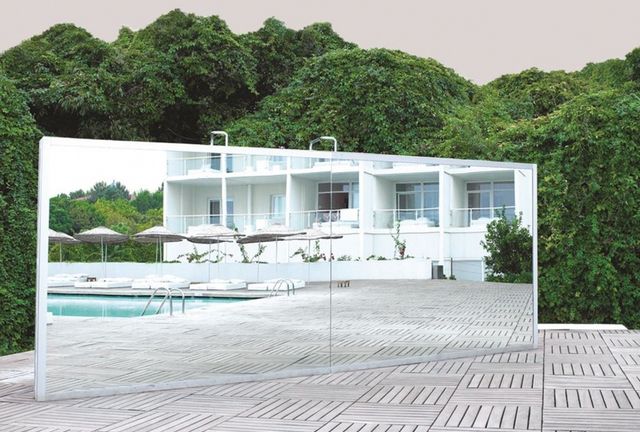
Mirror Glass
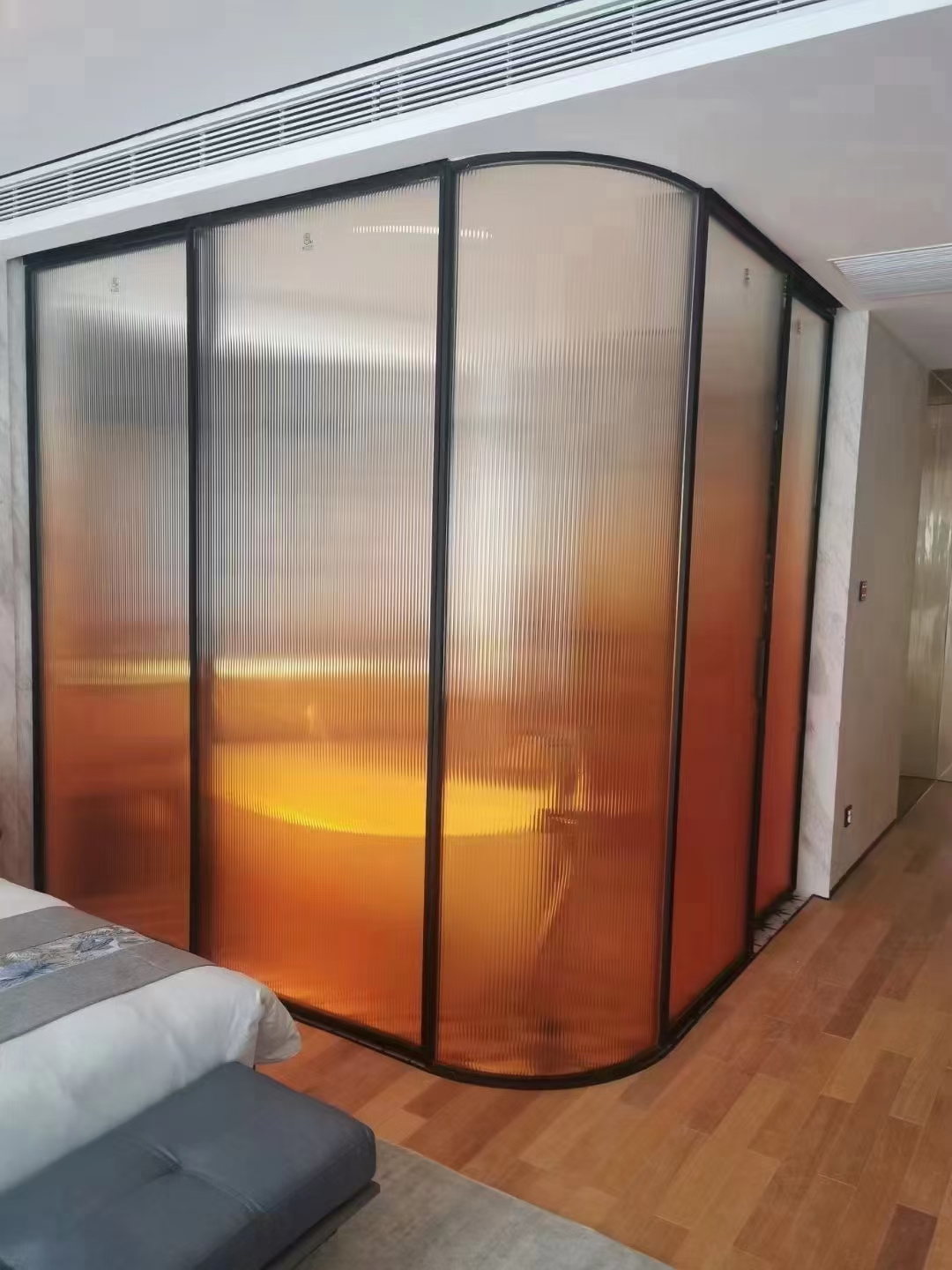
We are your trusted curved glass suppliers near you, offering curved glazing that not only adds aesthetics but also enhances energy efficiency in buildings. Our curved glass panels are perfect for creating captivating facades and reducing solar heat gain.
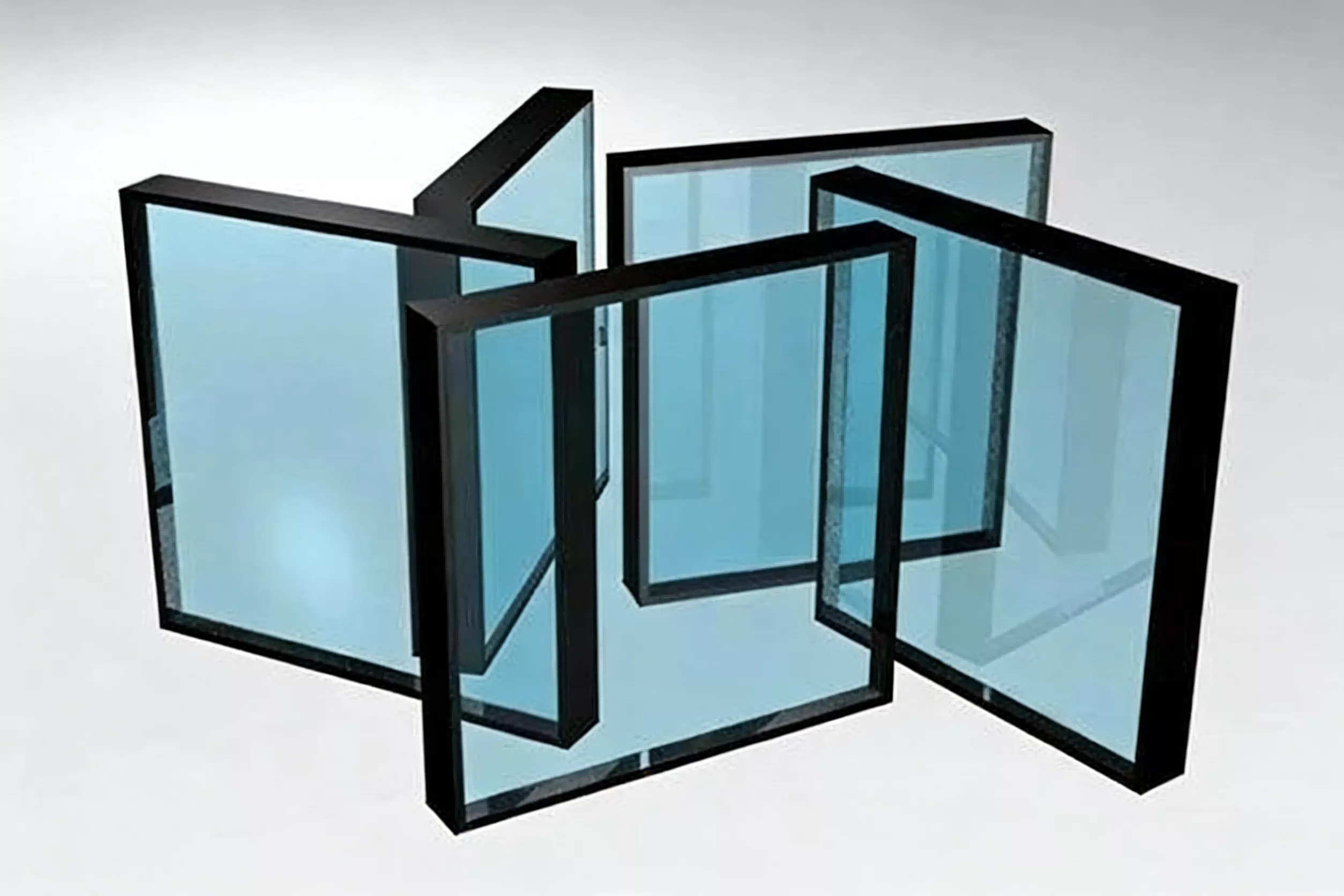
Double Glazed Glass
When it comes to insulation and noise reduction, curved double glazing is the answer. Our experts create curved double-glazing units where you need rounded or curved surfaces.
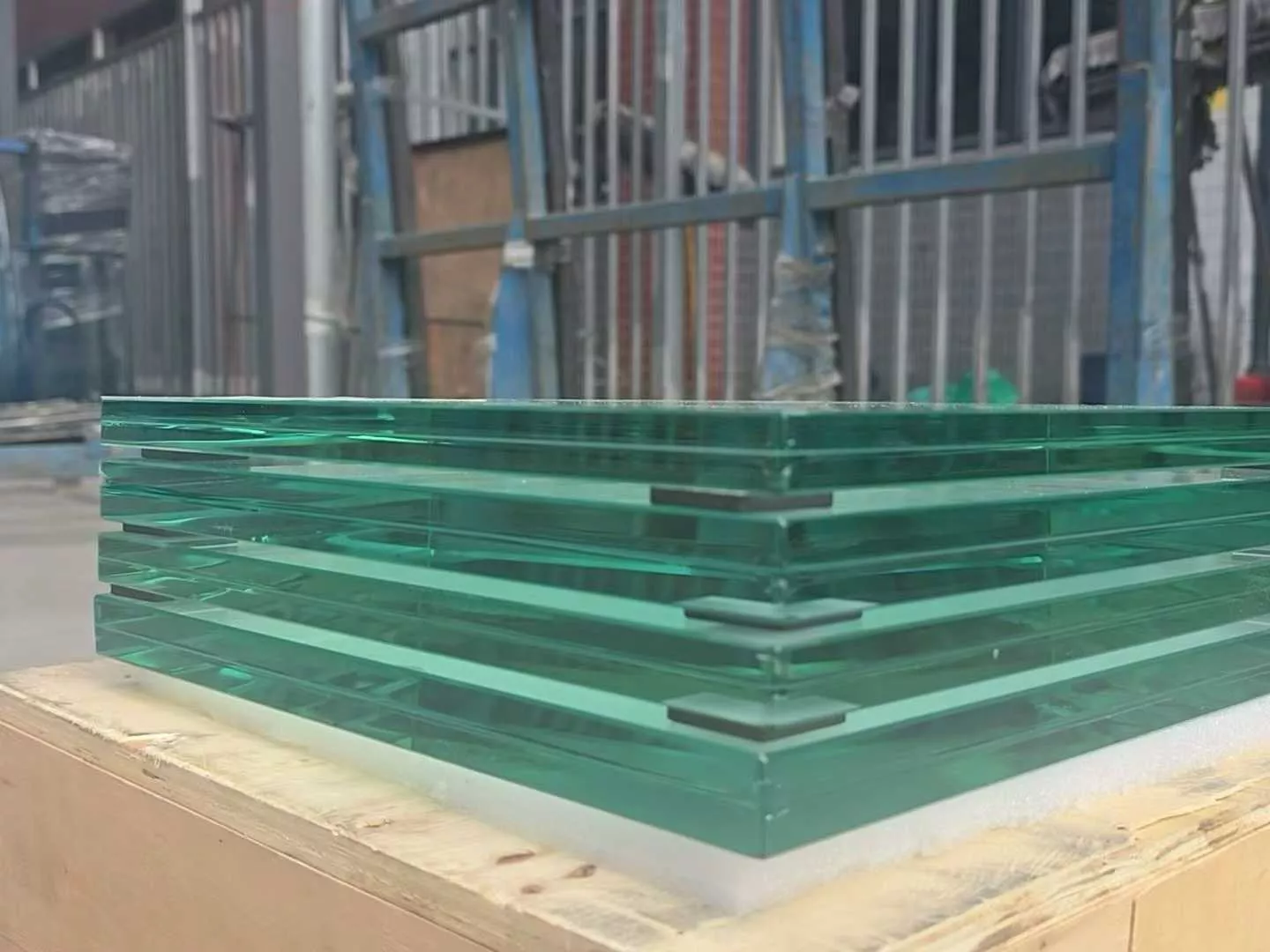
Toughened Glass
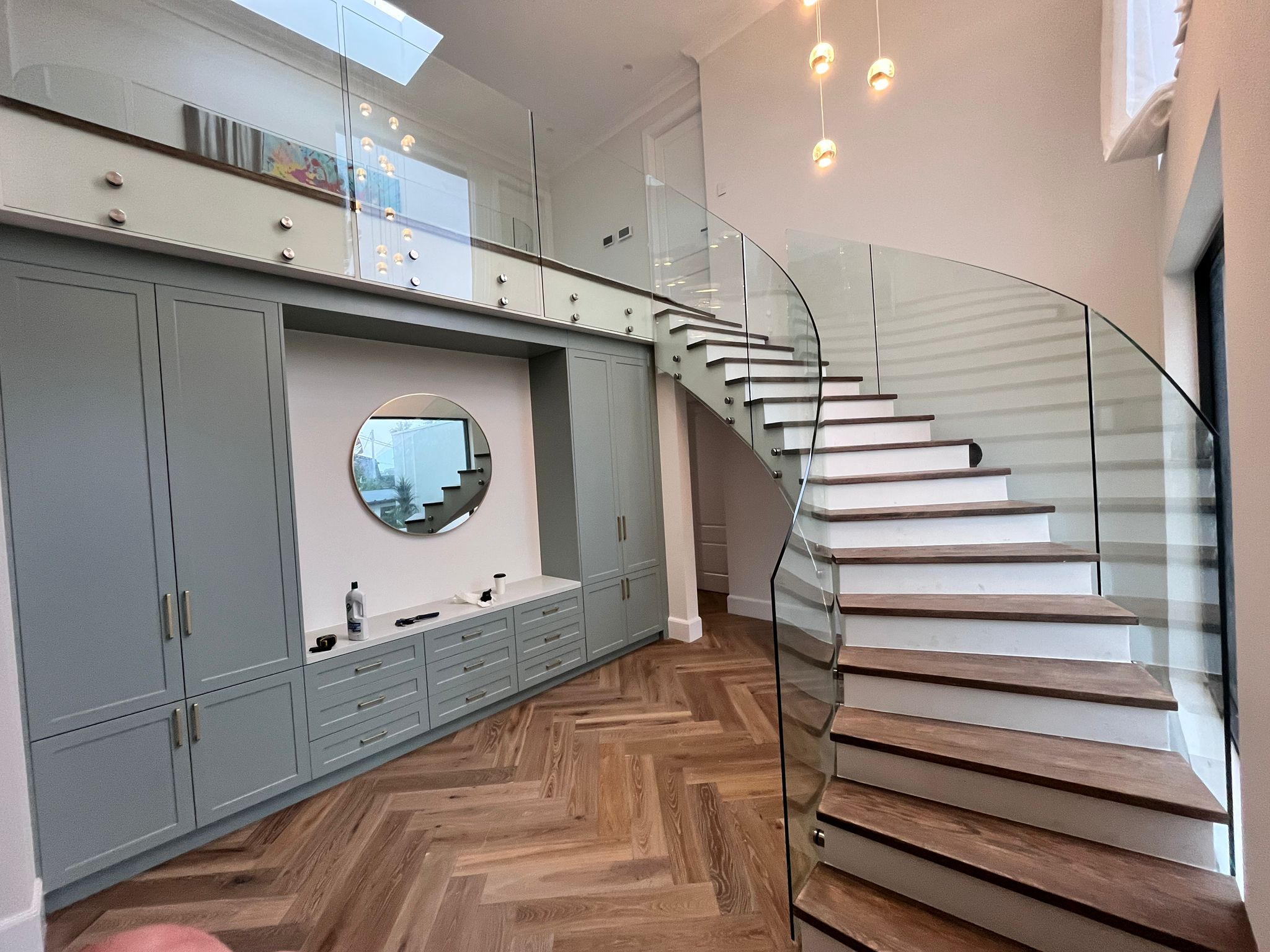
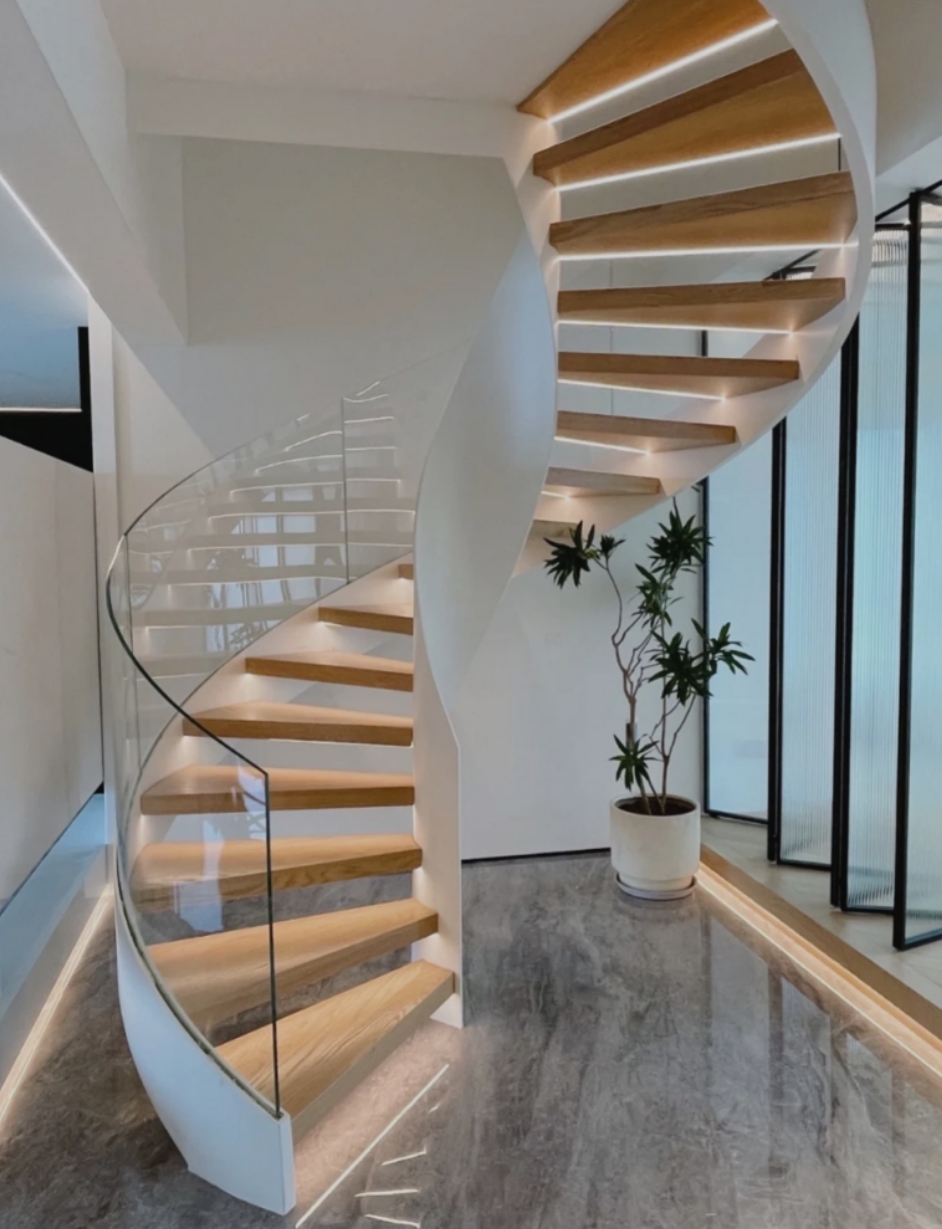
Safety and durability are paramount in architectural design, and as established curved glass suppliers, we also provide curved toughened glass, offering both strength and elegance. These curved toughened glass panels are ideal for balustrades and staircases.
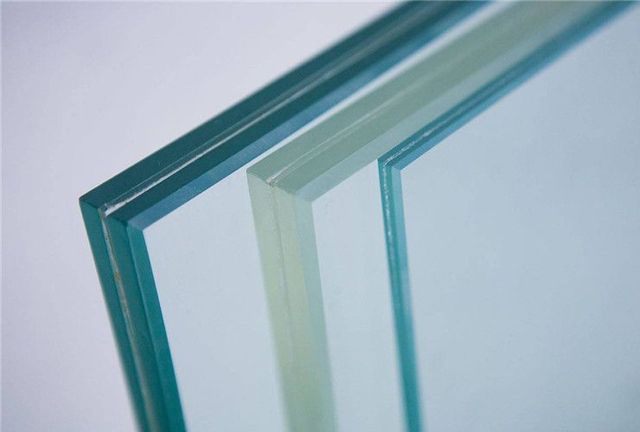
Laminated Glass
Laminated glass is designed for applications where safety, security, acoustic performance, and structural integrity are essential. By bonding multiple glass panes with specialised interlayers, laminated glass provides enhanced protection while remaining in place if broken.

Annealed Glass
Before glass gets toughened, laminated, bent, or coated, it begins as annealed glass. It is the base material that the entire glazing industry builds from. And while it rarely gets the attention that processed glass types do, specifying it correctly matters more than most people expect

Printed Glass
Printed glass combines the performance of architectural glass with custom graphics, patterns, colours, and decorative finishes. Ideal for commercial, residential, and architectural applications, it allows designers to introduce branding, privacy, and visual impact without compromising the performance of the glazing system.
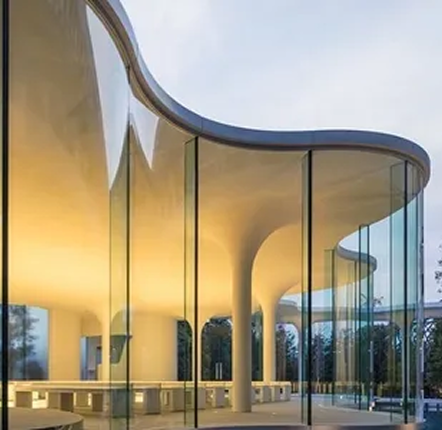
Security Glass
Security glass is designed to provide enhanced protection against forced entry, impact, and other security risks while maintaining the transparency and appearance of standard glazing.
Acoustic Glass
Acoustic glass is designed to reduce unwanted noise while maintaining the transparency and performance of modern glazing systems.
Acoustic Glass Assemblies and Configuration
Acoustic performance depends on the combination of glass types, interlayers, and glazing configuration. Common acoustic glass assemblies include:
- Acoustic laminated glass - two or more panes bonded with an acoustic interlayer. The base configuration for most residential and light commercial acoustic applications. Performance is determined by the pane thicknesses, the interlayer specification, and the asymmetry of the assembly
- Asymmetric pane thickness - using panes of different thicknesses on either side of the interlayer disrupts the coincidence effect, where a glass panel resonates at a specific frequency and transmits sound efficiently at that frequency. Asymmetric assemblies reduce this resonance and improve mid-frequency performance
- Acoustic double glazing - two panes separated by a sealed cavity, with one or both panes being acoustic laminated glass. The cavity adds thermal performance to the acoustic attenuation. The cavity width, pane thicknesses, interlayer, and overall unit configuration all influence the combined Rw rating.
- Triple glazing with acoustic interlayers - used in very high acoustic demand environments where a standard double-glazed unit does not reach the target Rw. Adds a third pane and a second cavity to the assembly
Key Features and Benefits
- Enhanced sound reduction compared with standard laminated glass
- Custom acoustic glazing designed to meet project performance requirements
- Asymmetric pane configurations available to address coincidence effect and mid-frequency resonance
- Optically clear – acoustic performance can be achieved without requiring tinted or obscured glazing.
- Compatible with toughened panes within the laminated assembly for applications where safety rating and acoustic performance are both required
- Available in acoustic double-glazed configurations for projects where thermal performance and acoustic control are both part of the specification
- Large-format production capability for commercial facade and curtain wall applications
Common Applications
Acoustic glass is specified across a wide range of project types where the ambient noise environment or the occupant's need for acoustic separation makes standard glazing insufficient:
- Residential facades in urban locations, traffic corridors, and flight paths where external noise levels affect liveability
- Home theatres, music rooms, and recording studios where internal acoustic separation is the requirement
- Commercial office buildings in high-ambient-noise locations, or where open-plan layouts require acoustic partitioning with glazed elements
- Hotels and serviced apartments where guest room acoustic separation from corridors, common areas, and external noise is a quality standard
- Schools and educational facilities where classroom acoustic performance affects learning outcomes
- Medical and counselling facilities where speech privacy between rooms is a compliance and confidentiality requirement
- Hospitality venues where kitchen, bar, or entertainment noise needs to be separated from dining or accommodation areas
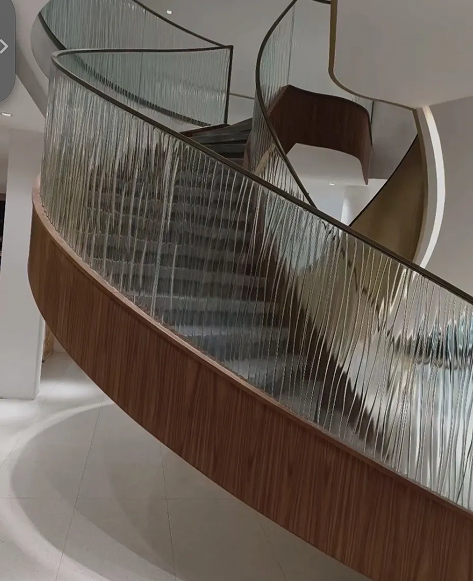
Acoustic Glass in Large and Custom Formats
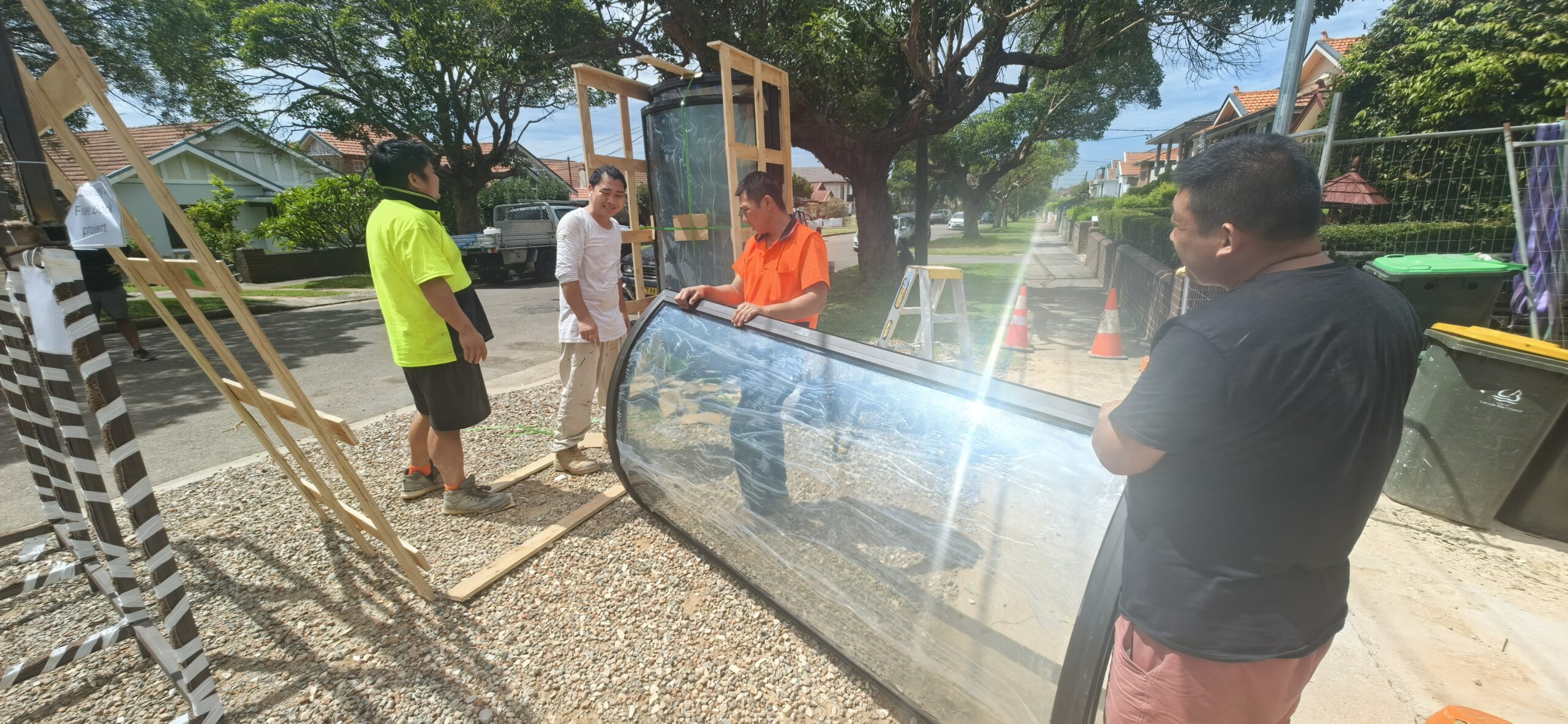
Archi Glass manufactures custom acoustic glazing for projects requiring oversized panels, curved glass, or non-standard architectural formats.
Acoustic laminated glass can be produced in large-format configurations for commercial facades, curtain wall systems, partitions, and other architectural applications. Where the project requires acoustic performance alongside thermal or safety requirements, acoustic glass can also be incorporated into double-glazed or toughened configurations.
The required glass thickness, interlayer, cavity configuration, and overall assembly are considered at the specification stage to suit the project's acoustic target and installation requirements.
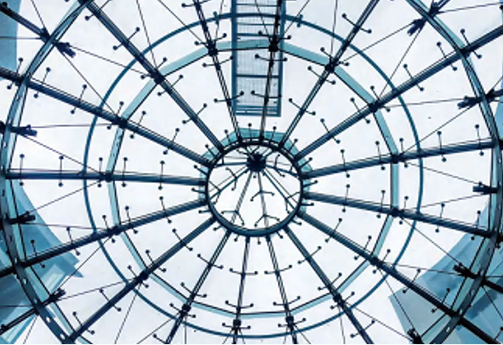
The Edge That Most Specifications Miss
The performance of acoustic glass depends on more than the glass itself. Frame systems, perimeter seals, and installation methods all influence the final acoustic outcome. Archi Glass works with architects, builders, and consultants to help ensure the complete glazing system is designed to achieve the required level of sound control.
Contact the Archi Glass Team Today
If you require acoustic glass for residential, commercial, hospitality, or institutional projects, the Archi Glass team can help. Contact us today to discuss your acoustic requirements, review your drawings, and confirm a suitable glazing specification for your project.
our gallery

Get In Touch